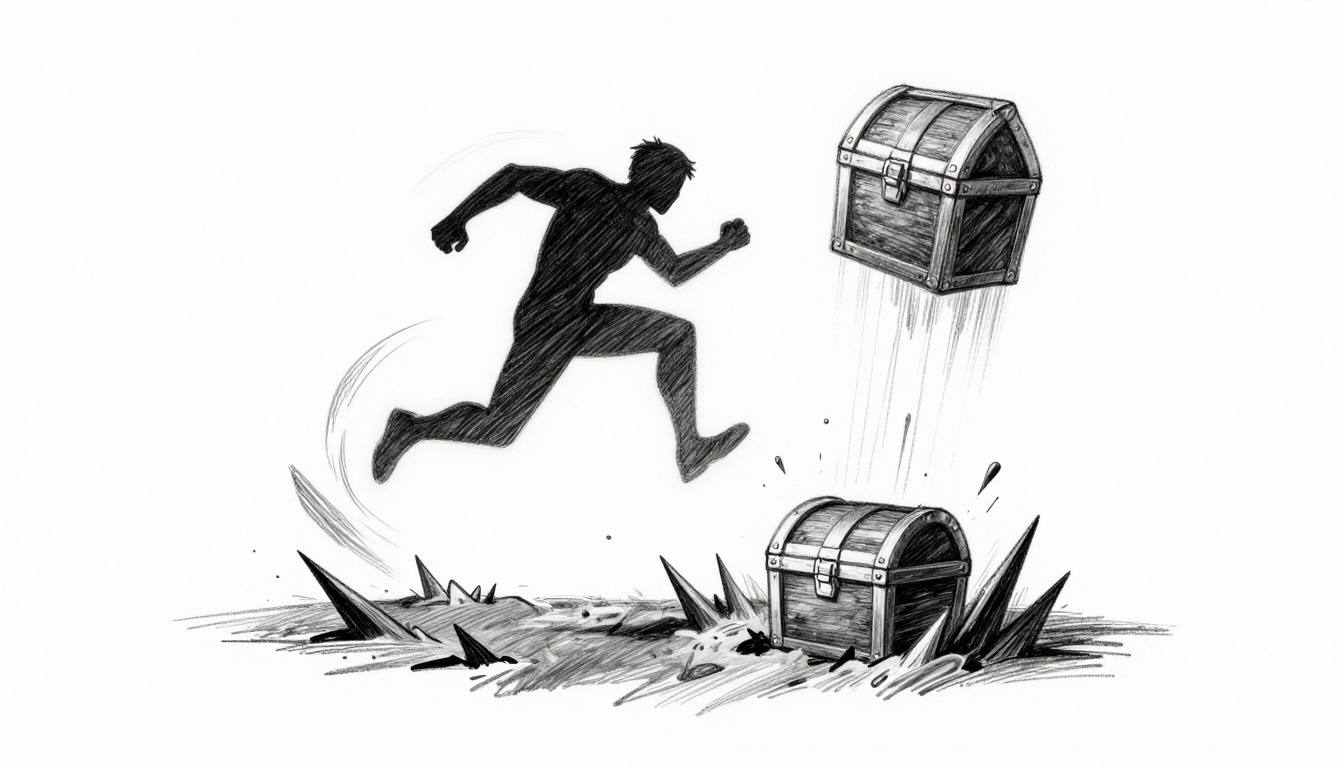
Picture this. You face a massive boss in Dark Souls. One wrong dodge means death and a long trek back. But you nail it. The reward surges through you: progress, loot, satisfaction. Action-oriented mechanics like combat dodges and platform jumps thrive on that tension.
Poor balance kills the fun. Too much risk frustrates players into quitting. Too little reward bores them. Good balance hooks them for hours. This post breaks it down. You’ll learn what risk and reward mean here. Then core principles and step-by-step techniques. Real games show it in action. Plus pitfalls to avoid.
You can apply these ideas right away. Let’s start with basics.
What Risk and Reward Mean in Fast-Paced Action Gameplay
Risk means the chance of failure. Players lose health, restart sections, or drop items. Reward comes as gains. Think points, upgrades, or story beats. In action games, these hit fast. A spike jump risks death for a power-up gem.
Players crave that rush. A close call spikes dopamine. Wins feel earned. Slow games forgive more. Action demands tight balance because seconds count.
Consider this table. It compares balanced and unbalanced setups.
| Aspect | Balanced Example | Unbalanced Example |
|---|---|---|
| Risk | Telegraph enemy swing; dodge in 0.5s | Sudden one-hit kill, no warning |
| Reward | Double points for risky combo | Same score for easy or hard path |
| Player Feel | Tense excitement | Frustration or boredom |
Balanced setups keep players engaged. Unbalanced ones push them away.
Spotting Risks That Feel Fair and Exciting
Good risks show clear signs. Enemies glow before attacking. Platforms shake before falling. Players dodge with skill, not luck.
Use audio cues too. A whoosh warns of arrows. Bright colors mark hazards. These build tension without rage.
Bad risks hide. Random spikes or lag spikes kill trust. Players quit fast.
Examples help. In platformers, glowing pits signal danger. Shooters use red enemy outlines. Both let skill shine.
Designing Rewards That Match the Thrill
Rewards must scale with risk. Immediate ones pop right away: score bursts or health packs. Long-term ones build: weapon upgrades or levels.
Bigger risks need bigger payoffs. A tough enemy drops rare gear. Safe paths give basics. Variety fits styles. Speedrunners love multipliers. Explorers want secrets.
Implementation matters. Tie rewards to actions. Chain attacks for bonus damage. This keeps sessions fresh.
Core Principles to Nail Risk-Reward Harmony
Four principles guide balance. They empower players in quick action. Follow them for harmony.
- Predictability: Players foresee dangers. Telegraph moves clearly.
- Proportionality: Match rewards to risks exactly.
- Agency: Give choices that matter.
- Feedback: Show results instantly.
These work because action flies by. Players need control. Predictability builds skill. Proportionality motivates tries. Agency invests them. Feedback confirms choices.
Test often. Play blind first. Note pain points. Adjust based on runs.
Keep Risks Predictable Without Being Boring
Telegraph everything. Enemy wind-ups last 1-2 seconds. Patterns repeat with twists.
Ramp complexity. Early foes swing once. Later ones combo. Prototypes reveal boredom. Record sessions. Tweak timings.
Avoid surprises. No instant deaths past tutorials. Fairness keeps players hooked.
Scale Rewards to Fuel Player Hunger
Use tiers. Low risk: small coins. High risk: legendaries.
Multipliers stack combos. A 10-hit chain triples score. Progression curves exponential. Early gains quick; late ones huge.
Watch over-rewarding. Free loot devalues risks. Balance scarcity.
Hand Control Back to the Player
Offer paths. Safe ledge or spike shortcut. Loadouts swap defense for speed.
Choices build mastery. Risky boons boost damage but add debuffs. Players own outcomes.
Step-by-Step Techniques to Balance Your Mechanics
Start with a workflow. Sketch mechanics. Prototype core loop. Test 10 runs. Analyze deaths and quits. Iterate.
Single-player suits checkpoints. Multiplayer needs even fields. Analytics track win rates.
Tools speed it up. Unity timelines adjust speeds. Godot nodes test curves.
Tune Timing Windows and Difficulty Curves
Dodge windows start wide: 1 second. Shrink to 0.3 over levels.
Curves rise steady. Plot deaths per stage. Smooth spikes.
Graph it simple. X-axis: level. Y-axis: fail rate. Aim under 30%.
Build Feedback Loops That Encourage Smart Risks
Positive loops reward chains. Hits build speed buffs.
Negative ones punish greed. Overextend? Slow down.
Polish audio: whooshes for dodges, booms for hits. Visuals pop: screen shakes on big rewards.
Game Examples That Show Balance Done Right
Great games nail this. Celeste, Hades, Dead Cells, Doom Eternal shine.
Celeste masters jumps. Hades tempts with boons. Dead Cells risks runs. Doom pushes aggression. High completion shows success.
Lessons apply anywhere. Study their loops.
Celeste: Precision Platforming Perfection
Dash refuels on walls. Strawberries tempt detours. Risks clear: spike outlines glow.
Assist modes widen windows. Accessibility boosts reach. Precision feels fair.
Hades: High-Stakes Runs with Tempting Boons
Mirror choices risk weaknesses for power. Gods offer gifts mid-run.
Heat scales runs harder for better loot. Choices drive replays.
Pitfalls That Ruin Balance and Fixes to Save Your Game
Grindy rewards bore. Invisible risks frustrate. Flat curves stall.
Playtest weekly. Friends spot issues fast.
Before: 5-minute deaths. After: 30-second respawns. Progress saves key items.
Fixing Overly Punishing Fail States
Short restarts help. Keep 80% progress. Tutorials teach patterns first.
Avoiding Boring Safe Plays
Nerf safe routes. Boost risky scores 50%. Force variety.
Risky paths stay tempting. Players chase highs.
Balance creates addiction. Risks excite because rewards pay off. Predictability and agency empower you.
Key takeaways:
- Telegraph risks clearly.
- Scale rewards to match.
- Give player choices.
- Test and iterate fast.
Prototype one principle today. Tweak a dodge timing. Share your results in comments. What game balances best for you?
“Design is thinking made visual.” Keep balancing. Your players will thank you.