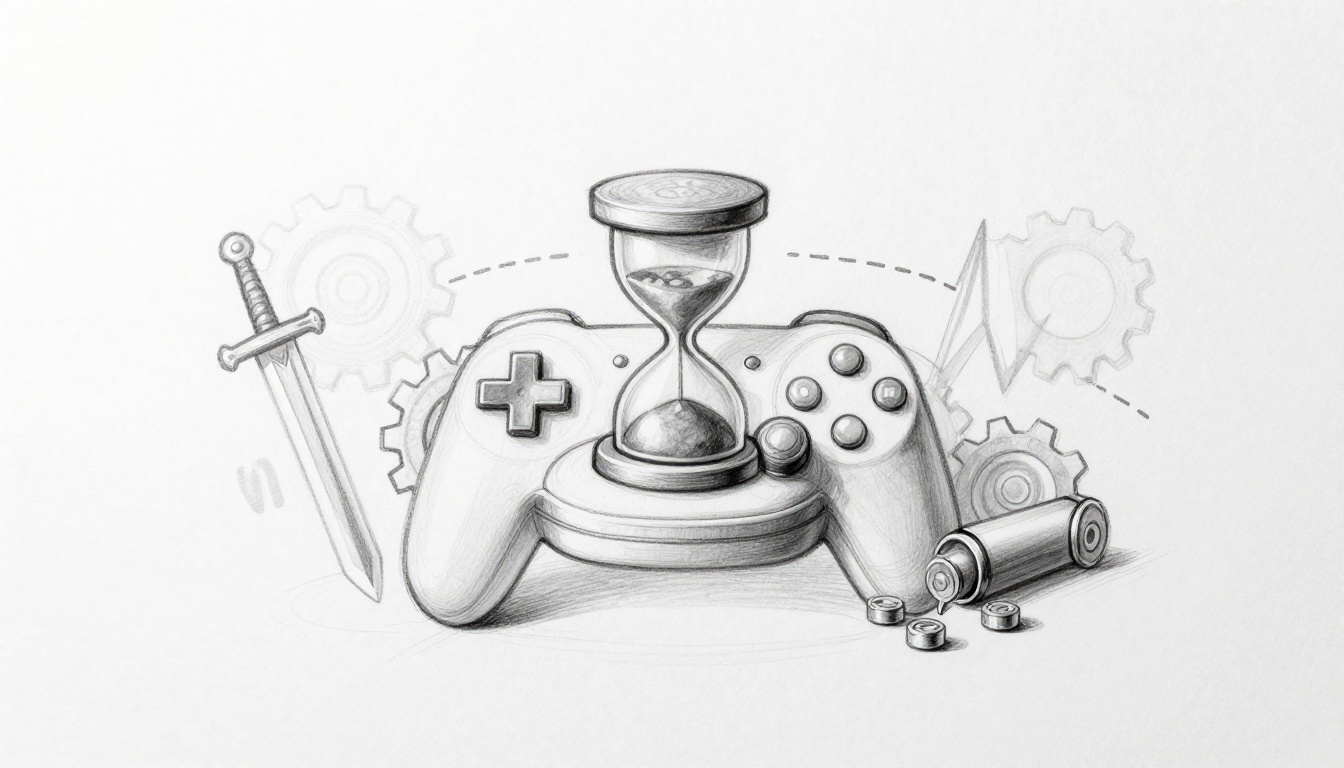
Do players ever quit your game because it feels too frantic, or drags on forever?
You’ve poured hours into design, but that uneven rhythm kills the fun. Game pacing sets the beat that keeps players hooked, excited, and immersed. Get it wrong, and they bounce; nail it, and they stay for hours.
Cooldowns fix this fast. They add timers after abilities, so players can’t spam buttons endlessly. Instead, you create natural breaks. Players wait, plan their next move, and build tension.
Take League of Legends. Champs like Yasuo have sword dashes on cooldown. Spam fails; timing wins fights. That pause shifts frantic brawls into smart duels.
Resources work the same way. Think mana pools, ammo clips, or stamina bars. They limit power output and force choices. Spend wisely, or you’re out of gas mid-battle.
Mana in MOBAs like DOTA 2 drains with spells. Run dry, and you switch to basics. Players ration bursts, mixing action with strategy.
Combine cooldowns and resources, and you master game pacing with cooldowns. High-energy moments explode, then cooldowns and low resources pull back to planning. Tension rises, peaks crash, repeat.
This rhythm mimics real thrills, like a boxing match’s jabs and rests. Players feel alive, not overwhelmed.
In this post, we’ll break it down. First, grasp core pacing principles. Then, dive deep into cooldown mechanics. Next, explore resource management in games.
We’ll cover blending both for perfect flow. You’ll see real examples from hits like Overwatch and Valorant. Finally, grab practical tips to tweak your own titles.
By the end, you’ll have simple tools to make your games addictive. No more flat spots or chaos. Ready to level up?
Let’s start by understanding what makes pacing tick.
Why Game Pacing Grabs Players and Keeps Them Coming Back
Game pacing shapes the ups and downs of excitement in your title. Picture a rollercoaster: fast drops thrill players, slow climbs build suspense. You control game pacing to hit that rhythm. Too fast, and players burn out like sprinters in a marathon. Too slow, boredom sets in, so they quit.
Ever felt rushed in a boss fight? That’s poor pacing at work. Constant action overwhelms the brain. Players need breaks to process and plan. Psychology backs this: short rests cut fatigue, so attention stays sharp. Good pacing builds tension first. Then it rewards smart plays. Replay value jumps because each run feels fresh.
Dark Souls nails deliberate pace. You dodge, strike, then wait for openings. That caution pays off in tough bosses. Doom flips it with nonstop action. Demons swarm, guns blaze without pause. Both work because they own their rhythm. You mix them to hook players longer.
In addition, strong pacing boosts strategy. Players think ahead instead of mashing buttons. Tension rises during peaks, then ebbs for recovery. As a result, sessions last hours. Boredom fades; addiction grows.
Yet bad pacing kills fun. Endless grinding drags like a bad hike. Or ability spam turns fights chaotic. You fix this with cooldowns and resources. They force waits and choices. Players return because the flow feels right.
Now spot issues in your own game. Self-check early to save headaches later.
Spotting Pacing Problems in Your Own Game
You know your game best, but blind spots happen. Watch for signs like nonstop ability use or grind loops that numb players. Test playthroughs reveal truth. Ask: Do highs excite? Do lows refresh?
Here are five common pacing pitfalls, plus quick fixes:
- Nonstop firing drains excitement. Players blast enemies without pause, so battles blur. Add cooldowns to weapons. Now they pick shots, building dread before each volley.
- Infinite resource loops bore fast. Unlimited stamina lets constant running. Cap it with a bar that refills slowly. Players explore smartly, mixing sprints with walks.
- Grind fests without peaks kill drive. Fetch quests stack up with no big wins. Insert cooldown-gated rewards, like rare drops after timers. Tension spikes on payoffs.
- Overloaded early game overwhelms newbies. Too many powers at start spam chaos. Gate abilities behind resource costs. They learn step by step, gaining power gradually.
- Flat mid-game slumps lose players. After intro highs, action stalls. Use escalating cooldowns on bosses. Fights ramp up, pulling them back in.
Use this checklist during playtests to nail pacing:
- Track session length. Do players rage-quit under 10 minutes? Shorten bursts.
- Note button-mash rates. High spam means add limits.
- Survey energy levels. “Tired or pumped?” Adjust lows if fatigue hits early.
- Chart excitement waves. Plot highs (fights) and lows (prep) on paper. Balance them like a heartbeat.
- Replay a level. Feels same each time? Tweak resources for variety.
Fixes like these restore flow. Test often. Your players stick around when pacing clicks.
Master Cooldowns to Tame Frenzied Action Moments
Cooldowns act as timers that kick in right after a player uses an ability. They block reuse for a set time. This simple mechanic creates breathing room in frantic fights. Players can’t spam powers endlessly. Instead, they spot openings for counters and plan ahead. Strategy emerges because opponents exploit those wait periods.
You get different types to fit your needs. Per-ability cooldowns hit one skill at a time, like a dash or shield. Global cooldowns lock all abilities after any use, common in MMOs to prevent overload. Dynamic cooldowns shrink with upgrades, such as haste items that speed recovery. Balance matters most. Short timers invite spam and chaos. Long ones frustrate players who feel stuck. Aim for the sweet spot where waits build tension without boredom.
Overwatch shows this well with ultimate abilities. Ult cooldowns charge slowly, so teams save them for key moments. That pause slows peaks and lets recovery happen. Fortnite adds build cooldowns on walls and ramps. Players place fast at first, then wait, forcing smart positioning. These tools tame frenzy while boosting cooldowns game design pacing.
Test often in prototypes. Try this now: Set a base cooldown of 10 seconds on a strong attack. Watch playtesters react. Do they curse the wait, or love the mind games?
Tune Cooldowns for Your Game’s Unique Rhythm
Start with your game’s beat. Powerful abilities need longer cooldowns to avoid dominance. Weak ones recover quicker for frequent use. Base lengths on impact: a screen-clear blast gets 30 seconds, a poke hits 5.
Playtesters reveal the truth. Run sessions and note feedback. “Too slow” means shorten it. “Spam city” calls for extension. Genres guide you too. Fighters like Street Fighter use short cooldowns, around 2-8 seconds, for combo flow. MOBAs such as League of Legends stretch them to 12-120 seconds. That length forces team plays over solo rushes.
Avoid pitfalls like static timers. Players hate rigid waits that ignore progress. Instead, use formulas for fairness. Try cooldown = base / (1 + haste stat). A 10-second base with 0.5 haste drops to about 6.7 seconds. Valorant nails this: Operator sniper has a 10-second tactical cooldown that haste knives reduce. Agents feel powerful without breaking balance.
In addition, scale by level. Early game keeps cooldowns short for fun onboarding. Late game extends them as powers grow. Test across matches. Plot player win rates against cooldown tweaks. Balance emerges from data, not guesses.
Try this in your prototype: Pick one ability. Set three cooldown variants: 5, 10, and 15 seconds. Poll testers on fun factor. Adjust based on votes. Your rhythm sharpens fast.
Visual and Audio Tricks to Make Cooldowns Feel Fair
Players hate invisible waits. Show them clearly to build trust. Progress bars top the list. A filling circle or line tracks time left. Gray out the button until ready. Color shifts help too: red for locked, green for go.
Sound cues seal the deal. A low hum during cooldown builds anticipation. A sharp ding signals readiness. These tricks turn waits into excitement. No frustration, just hype.
Apex Legends masters this. Ability icons pulse with radial timers. Colors fade from dim to bright. A subtle whoosh plays on refresh. Players glance, know exactly when to strike. They love the wait because it feels predictable.
Combine elements for polish. Animate the icon: it dims, spins slowly, then snaps back. Add haptic feedback on controllers for vibration pulses. Mobile games shine here too.
Most importantly, test perception. Some players skim UI fast. Make cues bold yet clean. Survey after plays: “Did waits feel fair?” Tweak until yeses dominate.
Try this in your prototype: Add a progress bar and ready sound to one cooldown. Play a round. Note if you anticipate the pop more. Polish spreads joy, keeps players hooked.
Harness Resource Management to Build Lasting Tension
Resources give players limited power pools that deplete with use and refill slowly. Mana, stamina, ammo, or energy bars force tough choices. You can’t spam attacks forever because these pools run dry. That lack of infinity creates resource management game pacing. Tension builds as supplies dwindle. Peaks hit when players top off and unleash hell.
Different types fit various games. Some regen over time, like mana in World of Warcraft that trickles back during fights. Pickups scatter across maps, such as ammo crates in Escape from Tarkov. Shared pools link teammates, so one player’s spend affects the group. Each type shapes flow. Regen builds steady pressure. Pickups reward exploration. Shared ones spark teamwork.
Balance them right, and strategy deepens. Players weigh risks because low ammo means retreat. Full reserves trigger bold pushes. You control highs and lows just like cooldowns do. Test early to avoid flat action.
For example, WoW’s mana lets casters nuke then auto-attack while waiting. Tarkov’s scarce bullets make every shot count. Players scavenge mid-firefight, hearts pounding. These mechanics tie resource management to smart plays. Your game gains depth without complexity.
Choose and Balance Resources That Fit Your Gameplay
Pick resources that match your theme first. Survival games use health potions that players brew or loot. Vehicle racers rely on fuel tanks that guzzle during chases. Fantasy titles lean on mana for spells. This fit makes limits feel natural, not forced.
Balance hinges on two keys: regen speed and max capacity. Fast regen lets quick recovery, so action flows smooth. High capacity supports long bursts before dips. Slow regen amps scarcity, forcing caution. Start with max at 100 units. Regen at 10 per second fits most fights.
Common errors kill tension fast. Over-regen turns pools infinite, so players ignore choices. A 20-per-second refill drowns strategy in spam. Under-capacity starves them too soon. They quit from frustration.
Test spend-regen loops in prototypes. Players dump 50 mana on a spell. Watch refill time. Does it pause action right? Too quick, and peaks blur. Too slow, boredom creeps in. Adjust in cycles: spend big, regen partial, spend again. Data from playtests guides you. Note win rates and fun scores per tweak.
In short, theme your picks. Dial regen and caps tight. Your pacing breathes life into every moment.
Layer Resources for Deeper Player Decisions
Stack multiple resources for richer choices. Pair a primary like mana with a secondary such as rage. Mana fuels spells steadily. Rage builds from hits and explodes in bursts. Players decide: save mana for sustains, or burn rage now?
This combo crafts pacing waves. Full pools spark aggressive peaks. Depleting ones force defensive lows. Tension ebbs and flows naturally. You mix burst and sustain without chaos.
Monster Hunter shows it perfect. Stamina drains on dodges and swings. Potions heal but need time to sip. Low stamina means vulnerable blocks. Scarce potions push careful hunts. Players dodge less, aim strikes, then guzzle heals mid-claw swipe. Waves form: sprint to position, attack frenzy, recover panting.
Add interactions for depth. Rage might refill mana on kills. Or shared team stamina splits damage. These links make decisions branch. Do you shield a buddy, draining your pool? Or go solo?
Balance layers simply. Cap secondaries lower, like 50 rage to 200 mana. Regen primaries faster. Test combos in matches. Watch if players hoard or spend freely. Tweak rates until waves feel rhythmic.
Result? Deeper strategy emerges. Players master your systems because choices matter. Pacing stays tight, sessions hook longer.
Combine Cooldowns and Resources for Pacing Perfection
You have cooldowns for quick breaks and resources for longer tension. Now blend them. This combo creates cooldowns and resource management pacing that feels smooth and addictive. Cooldowns handle short bursts, so players time big moves. Resources manage overall fights, forcing smart spends over time. Together, they craft waves of action and rest.
Picture micro-breaks from cooldowns paired with macro shifts from resources. A spell goes on cooldown right as mana dips low. Players switch tactics fast. Hybrids shine too, like abilities that cost both time and mana. This double limit stops spam cold. Your game flows like a pro boxer: jab cooldowns keep rhythm, stamina resources set fight length.
Design patterns boost this. Let cooldowns refund resources on kills, so risks pay off. Or tie resource regen to cooldown ends. Players watch both meters, decisions stack up. Pitfalls lurk, though. Overcomplicate, and newbies quit confused. Keep it to two systems max at first. Test simple hybrids early.
Follow this step-by-step process to build yours:
- Pick core ability. Give it a 10-second cooldown and 50-mana cost.
- Set resource regen at 5 per second. Watch a fight loop.
- Add synergy: Successful hit cuts cooldown by 2 seconds, refunds 10 mana.
- Playtest waves. Note if peaks excite and lows refresh.
- Tweak ratios until players say, “One more round.”
Your game could flow like this. Tension builds as resources drain. Cooldowns force pauses. Full comeback hits hard. Players stay hooked.
Real Examples of Winning Combos in Top Games
League of Legends masters the mix. Summoner spells like Flash have long cooldowns, around 300 seconds. Mana limits regular spells too. Players save Flash for escapes because cooldown blocks it, and low mana stops spell chains. This setup paces lanes perfectly. Early trades stay cautious; mana runs dry after pokes. Full mana plus off-cooldown Flash sparks ganks. Fights shift from poke to all-in without chaos.
Genshin Impact pairs energy and stamina smartly. Ultimates build energy slowly, like a cooldown with charges. Stamina drains on sprints and climbs. You dash in bursts, then walk as stamina refills. Energy tops off during combos, but cooldown-like gates hold bursts back. Exploration slows when stamina hits zero; big plays wait for energy. Pacing stays fresh because short stamina breaks mix with energy waits. Open world feels alive, not endless run.
Dota 2 takes hybrids further. Heroes like Invoker mix mana costs with spell cooldowns. Quas costs mana and has no cooldown, but big combos like Sun Strike need both high mana and 18-second waits. Players build resources first, then time bursts. Kills refund mana pots sometimes. This creates macro shifts: farm for mana, cooldown watch for fights. Teams collapse if one misplay drains both.
Overwatch blends team resources with personal cooldowns. Ultimates charge via meter, like energy, plus ability cooldowns. Tracer blinks on short cooldowns but burns ammo fast in some modes. Tanks shield on cooldowns that cost no resource, but sustain needs team healing. Pacing hits peaks when ults align and cooldowns sync. Downtime lets repositions.
These games nail synergy. Cooldowns add snap decisions; resources build endurance. Players plan around both, so every match pulses. Avoid their pitfall: too many layers confuse. Start lean, like League’s duo system. Your title gains that pro rhythm fast. Test one combo today, watch addiction grow.
Easy Steps to Add These Tools to Your Game Today
You grasp the theory now. Time to build it into your game. These four steps guide you from audit to polish. Start small, test often, and watch pacing transform your project. Tools like Unity or Godot make it simple. Let’s jump in.
Step 1: Audit Your Current Pacing
First, review what you have. Play through levels yourself. Note where action drags or overwhelms. Record session times and player inputs.
Grab a notebook. Chart highs like boss fights and lows like travel. Ask: Do players spam abilities? Run dry too fast? Use free tools such as Unity’s Profiler or Godot’s debugger to log ability uses per minute.
Common mistake: Skipping this step. You assume issues later, but audits catch them early. Fix one level first. Balance emerges quick.
Step 2: Prototype Cooldowns
Next, add cooldowns to key abilities. In Unity, attach a script to your player prefab. Use a float for timer and Update() to count down.
Here’s a basic setup:
public class AbilityCooldown : MonoBehaviour {
    public float cooldownTime = 10f;
    private float cooldownTimer = 0f;
    public bool IsReady() { return cooldownTimer <= 0; }
    public void UseAbility() { cooldownTimer = cooldownTime; }
    void Update() {
        if (cooldownTimer > 0) cooldownTimer -= Time.deltaTime;
    }
}
Godot users script similar in GDScript on a Node. Set a Timer node for visuals. Test one ability, like a dash. Play five rounds. Shorten if boring, lengthen if spammy.
Pitfall: Fixed timers ignore player skill. Add haste scaling, like cooldownTime /= (1 + playerHaste). Prototype in a sandbox scene. Results show fast.
Step 3: Layer in Resources
Now blend resources. Create a mana bar script. Deplete on casts, regen over time. Unity’s Slider UI works great for visuals.
Pair it: Abilities check both cooldown and mana cost. In code, add if (IsReady() && mana >= cost) { UseAbility(); SpendMana(cost); }. Godot’s ProgressBar node pairs easy with signals.
Start with 100 max mana, 5 per second regen. Scatter pickups for variety. Test loops: Burst spend, forced basics, refill push. This builds natural waves.
Avoid over-regen. It kills tension. Match your theme, like ammo for shooters.
Step 4: Iterate with Testers
Finally, recruit friends or itch.io players. Run 20-minute sessions. Survey: “Fun peaks? Fair waits?” Tweak based on data.
Unity’s Playmode tests shine; Godot’s remote inspector helps live tweaks. Common error: Ignoring newbie feedback. They spot confusion first.
Repeat cycles: Audit changes, prototype fixes, test again. After three rounds, pacing clicks.
Grab your engine today. Build one combo. Your game hooks players tight. Experiment now, thank me later.
Conclusion
Cooldowns give players quick breathers after big moves. Resources build smart choices over time. Together, they create game pacing that hooks everyone from newbies to pros.
You started with players quitting over bad rhythm. Now you hold tools to fix that. Add one cooldown or resource tweak today, like the prototypes we covered. Test it in your next session, and watch flow improve right away.
Share your pacing wins in the comments below. Subscribe for more game dev tips, including our post on Balancing Combat. Ready to pace up your game?