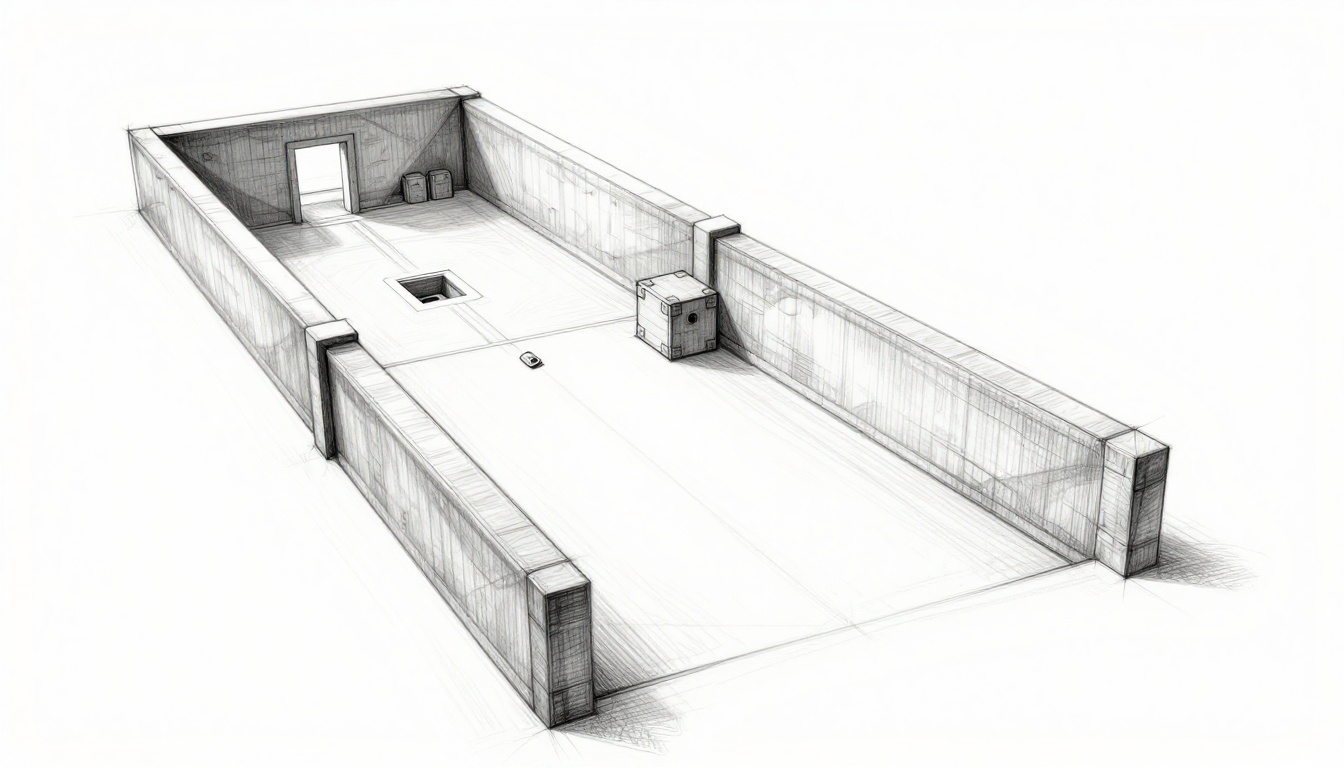
Picture this. In a heated Valorant match on Ascent, your team pushes mid. The enemy holds the site entrance. That narrow doorway funnels everyone into a brutal shootout. One well-placed ult turns the tide. Everyone remembers that moment.
Choke points do exactly that. They squeeze players into tight spots for intense fights. Safe zones offer the opposite. Think respawn rooms or health pack nooks where you regroup without instant death. These elements shape multiplayer maps in FPS games, MOBAs, and battle royales.
Players crave balance. Chokes build tension and reward smart plays. Safes prevent frustration and spark comebacks. Poor designs lead to rage quits or boring stalemates. You can fix that.
This guide walks you through it step by step. You’ll learn to spot prime locations, add cover, and test for flow. First, grasp the basics.
Master the Basics: What Choke Points and Safe Zones Really Do
Choke points control how players move. They narrow paths like bridges or hallways. Players bunch up. Fights erupt fast.
These spots create natural hotspots. Teams clash over objectives here. You dictate the pace. Offense pushes hard. Defense holds firm.
Safe zones give relief. Respawn areas, ammo crates, or elevated perches let you heal up. They sit off main routes. Players grab resources then dive back in.
Both improve gameplay. Chokes force teamwork. You coordinate peeks or flanks. Safes cut spawn camping. Matches feel fair.
Bad chokes frustrate, though. Too narrow, and no one moves. Players camp forever. Oversized safes halt action. Everyone turtles.
Take Counter-Strike’s Dust2. The long A hallway chokes attackers. But side doors add options. League of Legends lanes funnel minions and heroes. Jungle camps act as safes.
In short, chokes spike action. Safes reset the board. Together, they keep games dynamic.
The Psychology Behind Player Funnels and Rest Spots
Chokes ramp up adrenaline. You peek, heart pounding. A kill feels huge because space limits mistakes.
Safes calm nerves. Quick heals stop tilt. Players return focused. This rhythm hooks you. Tension then release.
Flow state thrives here. Chokes deliver peaks. Safes provide valleys. Matches last longer. Win rates even out.
Player feedback shows it. Tight chokes boost kills per minute. But add safes, or complaints rise. Balance prevents quits.
You build engagement. Smart designs make every round count.
Design Choke Points That Spark Epic Battles
Start with your map layout. Scout natural funnels. Bridges, doorways, or narrow streets work best. Place them near spawns or objectives.
Next, set the width right. Allow two or three players side by side. Single file bores everyone. Test it early.
Add sightlines carefully. Long views favor snipers. Short ones suit shotguns. Mix both.
Cover matters too. Stack crates or low walls. Players peek safely. Verticality helps. Ledges let you drop grenades.
Avoid pure camping. Add side paths. Destructible doors shake things up. Enemies can’t stall forever.
Playtest often. Watch player paths. Adjust if traffic jams form.
- Map your routes first.
- Narrow to fit small groups.
- Layer cover and height.
- Test for movement speed.
- Tweak based on deaths.
These steps create hotspots players love.

Picking Prime Spots and Shaping the Flow
Choose spots wisely. Put chokes on spawn paths. Central hubs draw fights. Objectives like flags pull teams in.
Control flow with barriers. Elevate one side for defense edge. One-way drops favor attackers.
Balance sides. Offense needs push power. Defense gets hold time. Elevation changes shift odds.
Players adapt fast. Good flow feels natural.
Layering Defenses and Surprises
Stack defenses smart. Crates block headshots. Pillars allow crossfire.
Add surprises. Floor hazards slow rushes. Grenade spots punish groups.
Multiple entries prevent locks. One bold flank wins rounds.
Place power-ups nearby. Speed boosts reward risks. Bold teams thrive.
Build Safe Zones That Fuel Comebacks Without Breaking Fair Play
Position safes off chokes. Make them reachable in seconds. Not hidden forever.
Size them for action. Room to turn around. No endless hiding.
Stock wisely. Health packs regen slow. Ammo refills tempt pushes.
Protect with walls. Add high ground risks. Enemies snipe from afar.
Spawn timers shield new players. Five seconds buys time.
Encourage exit. Diminishing returns on stays. Move or lose edge.
Follow these:
- Offset from fights.
- Limit size.
- Add timed buffs.
- Risk elements.
- Playtest recovery speed.
Safes revive matches.
Strategic Placement for Maximum Impact
Offset from chokes. Near flank routes or high ground. Bunkers fit gritty maps. Towers suit fantasy.
Balance teams. Equal access per side. Asymmetry in team modes adds fun.
Impact soars. Comebacks happen often.
Adding Utility That Rewards Smart Play
Include shields or speed bursts. Cooldowns prevent spam.
Make them contested sometimes. Enemy overlooks add tension.
Smart grabs turn tides. Rewards feel earned.
Balance the Mix: Avoid Common Traps and Polish Your Map
Aim for 60% chokes, 40% safes. Action dominates. Recovery supports.
Test with heatmaps. See hot zones. Track kill/death ratios.
Survey players. Ask about fun and fairness.
Common traps hurt. Campy chokes stall. Over-safe spots bore.
Use Unity or Unreal for mocks. Blueprints speed changes.
Iterate fast. Feedback drives tweaks.
Pro tip: Asymmetry shines in teams. One side gets better safes.
Testing and Tweaking for Perfect Flow
Record sessions. Spot bottlenecks.
Metrics guide you. Time in zones. Push success rates.
Run community betas. Fresh eyes catch issues.
Polish until smooth.
Great maps emerge from tests.
Designing chokes and safes transforms your maps. Chokes ignite battles. Safes ensure fairness. Players stick around for more.
Grab paper now. Sketch a simple layout. Test in a mod tool or custom match.
Share your designs below. What choke flopped for you? Try these tips today.
Dynamic elements loom next. Maps that shift chokes could redefine multiplayer. You can lead that wave. Create maps fans demand.