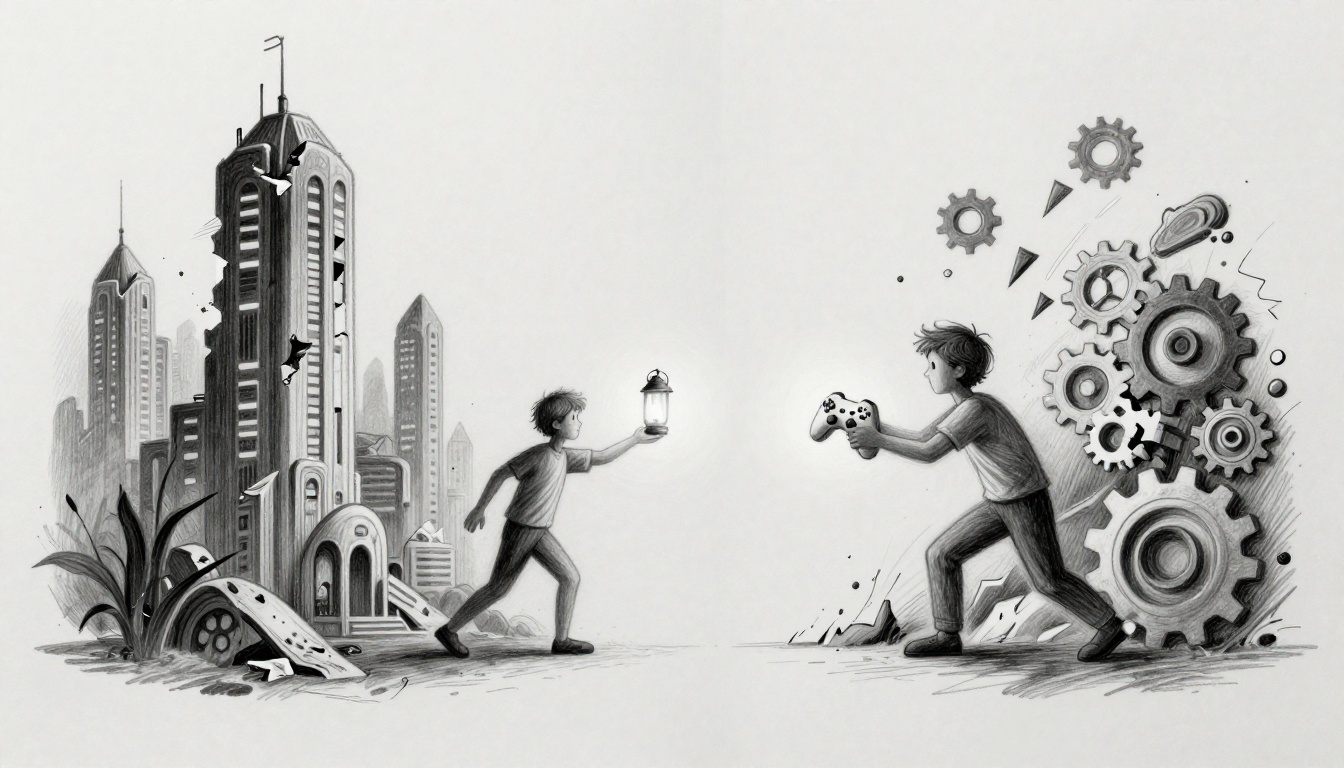
You boot up Bioshock. The story paints you as a reluctant savior in a crumbling underwater city. Yet your choices boil down to selfish grabs for power. It feels off, right? Confusing, even fun in a weird way. Ludonarrative harmony happens when a game’s story and gameplay click together perfectly. Ludonarrative dissonance strikes when they clash and spark tension.
Ever felt like your hero’s actions don’t match the tale? You are not alone. Many gamers wrestle with this pull between what the plot promises and what the controls demand. This post breaks it down simply. We cover what each term means, real game examples, sharp differences, and why it shapes your playtime. Game creators chase harmony for deeper hooks. You spot it to pick better titles. Let’s jump in.
What Ludonarrative Harmony Looks and Feels Like
Harmony pulls you deep into a game world. Gameplay backs the story beat for beat. You feel like the hero because your actions fit the narrative. Immersion soars as a result. No jarring breaks. Just pure flow.
Players love this sync. It builds real emotional ties. Satisfaction hits when choices ripple through the plot. Developers craft it carefully. Every mechanic reinforces the tale.
Everyday Definition That Sticks
Think of ludonarrative harmony as story and play in lockstep. Cutscenes, dialogue, and plot match your in-game moves. You play a stealthy spy. Every crouch and shadow dash feels sneaky because the narrative demands it.
In short, Narrative + Gameplay = Seamless Experience. This formula boosts player agency. You believe your decisions drive the world. No forced contradictions. Trust grows. You stay glued.
Games That Get Harmony Spot-On
The Last of Us nails it first. Survival mechanics mirror the desperate trek. Scrounge for supplies. Protect your companion. The story’s raw bonds amplify every tense choice. Payoff feels earned.
Portal shines next. Puzzle-solving ties into the witty sci-fi tale. You think like the hero because portals demand clever escapes. GLaDOS banter rewards your smarts. Joy bubbles up.
Undertale rounds it out. Choices echo the moral heart. Pacifist runs or fights shape endings. Narrative hugs your style. Replay pulls you back for more paths. Hades echoes this too. Godly runs build family drama through loops. Each death fuels progress. Harmony rewards patience.
Unmasking Ludonarrative Dissonance in Action
Dissonance flips the script. Gameplay fights the story. Confusion creeps in. Or deliberate unease. It jars players out sometimes. Yet it can challenge views cleverly.
Picture a movie hero preaching peace. Then he punches foes nonstop. That’s the vibe. Narrative says noble quest. Controls scream kill everything. Tension builds, for better or worse.
The Basic Breakdown of Dissonance
Narrative claims one truth. You are the good guy. Gameplay forces another. Mindless slaughter. Clint Hocking coined it critiquing Bioshock. Story begged heroism. Choices rewarded greed.
Unintentional dissonance frustrates. Pulls you from the world. Intentional sparks thought. Pros include irony. Cons hit immersion hard. Spot the gap. Decide if it serves the game.
Games Where Dissonance Hit Hard
Bioshock leads the pack. Underwater savior tale clashes with “harvest the little sisters” picks. Selfish wins over noble. Players feel the twist. Unease lingers.
Call of Duty series follows. War hero arcs praise brotherhood. Run-and-gun kills hundreds. No room for mercy. It glorifies chaos the plot skirts.
Far Cry 3 bites back. Anti-colonial theme. Yet you build a colonial power fantasy. Island takeover feels wrong on purpose. Some players rage. Others see the point. Dissonance provokes debate.
Harmony Versus Dissonance: The Clear-Cut Differences
Harmony unites elements. Dissonance divides them. Immersion thrives in one. The other risks breaks. Replay value shifts too. Emotions swing wide.
Psychology plays in. Harmony empowers. Dissonance questions. Fun depends on intent.
| Aspect | Ludonarrative Harmony | Ludonarrative Dissonance |
|---|---|---|
| Immersion | Deep dive, no breaks | Jars or challenges expectations |
| Emotions | Joy, empowerment | Frustration, irony, revelation |
| Replay Value | High, varied paths fit story | Mixed, debate drives returns |
This table shows core splits. Harmony boosts loyalty. Dissonance can alienate fast.
How Each Shapes Your Gaming Emotions
Harmony sparks joy. You feel powerful. Catharsis flows from synced choices. Players gush online. “It felt real,” they say.
Dissonance flips to frustration. Or ironic laughs. Deliberate cases reveal truths. Immersion dips unless planned. Common reactions split forums.
Real Impacts on Gameplay Enjoyment
Harmony makes controls meaningful. Every button press advances the tale. Enjoyment sticks.
Dissonance hollows mechanics sometimes. Kills feel empty against peace preach. Replay dips if unintentional. Reviews note it. Sales suffer less for bold tries. You learn to spot both now.
Why Ludonarrative Balance Matters Today
Devs push harmony in 2026 titles. Story-rich games like indies and AAAs hook longer. Live-service needs it for retention. Players stay engaged.
Gamers benefit too. Spot harmony. Pick titles that click. Dissonance suits niche tastes. Trends favor sync. Indies experiment smart.
Reflect on your library. Which games harmonize best? Balance elevates play.
Harmony blends story and gameplay for total bliss. Dissonance splits them for sharp tension. Next session, notice the fit. It changes everything.
Share below. What game’s harmony blew you away? Or dissonance that stuck? Drop examples in comments. Your picks inspire us all.