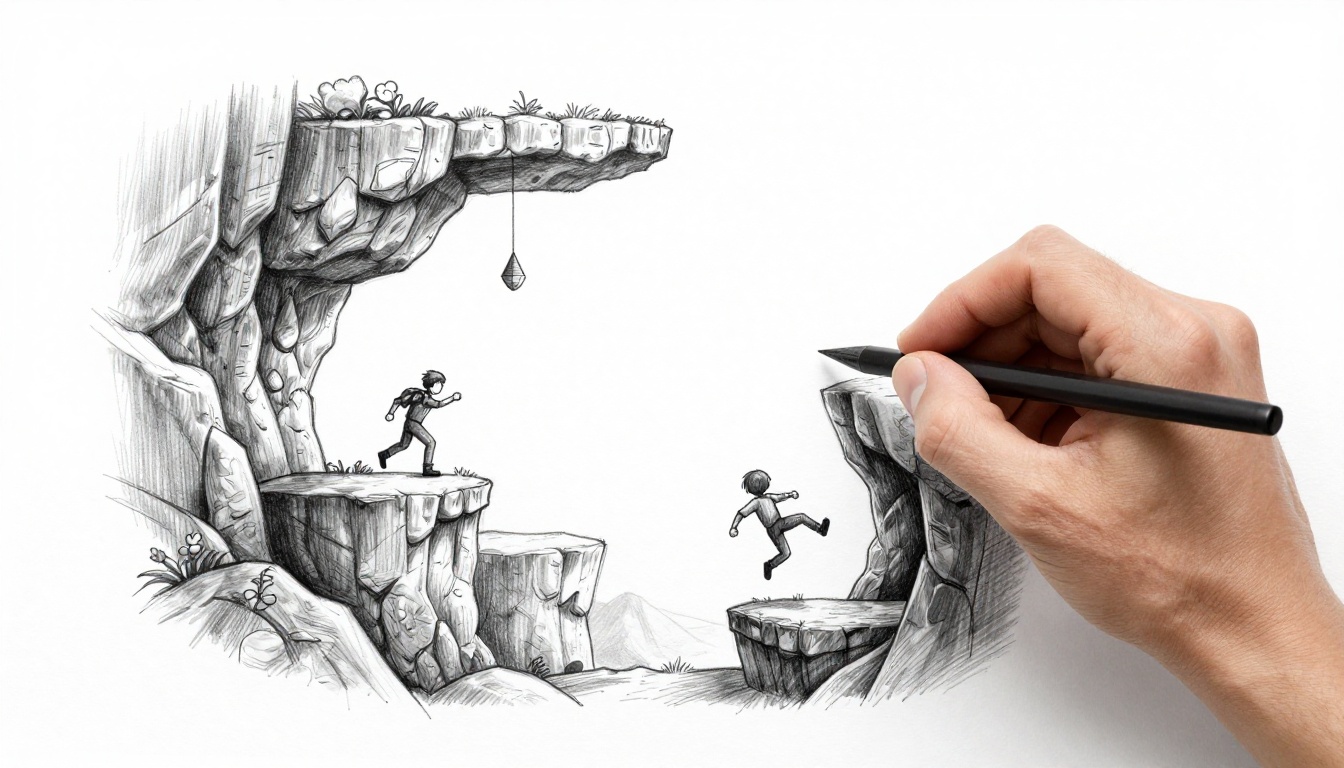
You boot up a side-scroller. The path stretches flat ahead. Enemies pop up in order. It feels stale after five minutes.
Then you switch to a game with towering cliffs and stacked platforms. Suddenly, you spot a hidden ledge above. A jump down reveals a secret cave. Choices explode everywhere. That’s verticality at work. It stacks heights to turn linear walks into rich, layered worlds.
Our brains crave this setup. Height adds surprise, strategy, and scale. In this post, you’ll get the science plus hands-on tips. You’ll see game examples too. Ready to add heights that hook players?
What Verticality Means for Game Level Design
Verticality stacks spaces up and down, not just side to side. Flat designs push players forward in a straight line. They predict every turn. Vertical ones offer jumps up to high paths or drops to lower ones. Players pick routes. They explore secrets. Fights gain new angles from above or below.
This boosts level depth. Depth means more paths, hidden spots, and tactics per square foot. A flat room holds one fight. Add tiers, and it splits into ambushes from ledges or chases across gaps. Players feel smart when they find shortcuts.
Key parts include platforms at varied heights, climbable edges, ramps for momentum, and voids that punish bad leaps. Imagine a text sketch:
High ledge: Sniper spot
   |
Mid platform: Main path
   |
Low pit: Treasure or trap
These elements multiply options without extra width. Players scan up and down. They plan moves. Boredom fades fast.
Flat Levels vs Vertical Masterpieces: See the Game-Changer
Early platformers stuck to ground level. Think basic runners. You dodge left, right, jump low hurdles. Options stay few. Predictability sets in quick.
Vertical designs change that. Hide enemies on upper shelves for surprise attacks. Offer epic overlooks that build tension. Pros of flat: Easy to build, low frustration. Cons: Shallow replay.
Vertical shines because it adds layers. A flat arena feels cramped. Stack floors, and it breathes. Combat shifts with height advantages. Exploration rewards climbers.
Here’s a quick comparison:
| Aspect | Flat Levels | Vertical Levels |
|---|---|---|
| Paths | One main line | Multiple tiers and branches |
| Combat | Frontal clashes | Angles from above/below |
| Exploration | Surface scans | Upward hunts, downward drops |
| Engagement | Short bursts | Sustained curiosity |
Vertical wins for depth. It keeps players hooked longer.
Building Blocks of Great Vertical Design
Platforms form the base. They create shortcuts and overlooks. One high perch lets snipers rule.
Climbable walls extend reach. Players scale for bonuses. Ramps build speed for big jumps.
Open chasms add risk. A fall means retry, but safe ledges guide progress.
Elevators or lifts connect tiers smoothly. Flying spots suit open worlds.
Each piece increases depth. Platforms multiply paths. Walls reward skill. Together, they craft worlds that feel vast yet fair.
The Science Explaining Why We Love Heights in Games
Humans scan heights naturally. Evolution wired us that way. Games tap this instinct. Vertical levels feel dynamic because our eyes hunt threats above and below.
Studies show eye-tracking in play. Players gaze up 30% more in tall spaces. It breaks monotony. Flat views bore after minutes. Heights vary sightlines. Flow improves.
Depth perception grows too. Overlapping layers trick the brain into seeing distance. A stacked room seems huge. Dopamine surges when you summit a climb. Reward centers light up.
Biology plays in. We love risk-reward from edges. Games balance it perfect.
How Your Brain Sees Depth Through Height
Parallax fools us first. Near objects shift fast as you move. Far ones lag. Heights layer this effect. A low floor blurs under high platforms.
It mimics real views, like city streets with towers. Your mind fills gaps. Worlds expand without big maps.
Layering stacks visuals. Foreground platforms hide backgrounds. Reveal them layer by layer. Players sense scale instantly.
Excitement Boost: Risk, Reward, and Vertical Thrills
Heights spike adrenaline. A long drop threatens death. Balance it with jumps you can nail.
Top spots hold power-ups. Climb for health packs. The rush pays off.
Tension builds on edges. Narrow ledges force care. Nail it, and satisfaction hits. Boredom vanishes.
Evolution’s Role in Our Vertical Obsession
Ancestors climbed trees for safety. Spot predators from up high. Games echo that.
Modern brains still react. Heights signal vantage. Immersion follows. Vertical designs pull us in deep.
Smart Techniques to Add Verticality Without Chaos
Start small. Pick one room. Add two tiers first. Test jumps.
Balance matters. Too steep frustrates. Too easy bores. Space platforms 5-10 units apart in most engines.
Unity suits quick prototypes. Unreal handles big scales well. Both have height gizmos built-in.
Pros of tiers: More paths. Cons: Fall deaths spike. Fix with checkpoints.
Next, link levels smart. Ramps ease ascents. Avoid ladder spam.
Test often. Play blind. Note stuck spots.
Stack Platforms and Tiers for Layered Fun
Design 3-5 heights max. Bottom for starts, mid for mains, top for elites.
Connect with stairs or jumps. Space wide to dodge clutter. Leave voids for drama.
Add curves. Helical ramps wind up. Players gain speed naturally.
Traversal Tools That Make Heights Accessible
Grapples pull to highs. Great for action games.
Double jumps extend reach. Suits platformers.
Gliders slow falls. Perfect for explorers.
Match genre. Slow climbs build horror tension. Fast wings fit speedruns.
Rewards and Dangers at Every Level
Lure with loot up high. Health low down.
Enemies mid-tier ambush. Safe hubs bottom.
This builds strategy. Players weigh risks. Depth emerges from choices.
Real Games That Prove Verticality Works Wonders
Classics nailed it first. New titles build on them. Steal ideas fair.
Mario stacks pipes and blocks. Players pipe up for stars.
Doom drops you in pits. Quake teleports floors. Fights go multi-angle.
Fortnite lets builds tower high. Apex slides down slopes. Both thrive on height chaos.
Lessons stick. Heights engage. Balance traversal.
Super Mario: Jumping into Vertical Joy
Pipes lead underground or skyward. Blocks hide coins above.
Flagpole races reward top paths. It defined joyful climbs. Simple stacks hooked generations.
Doom and Quake: Shooting Up and Down
Hell pits swallow foes. Ledges let you rain lead.
Teleporters swap heights fast. FPS felt alive. Vertical arenas changed shooters forever.
Fortnite and Apex: Building and Sliding Heights
Fortnite ramps skyward in seconds. Third-parties rule.
Apex ziplines zip tiers. Slides dodge fire below. Live battles stay fresh.
Pull It All Together in Your Next Level
Verticality works because brains love heights. Stack tiers smart. Add risks with rewards.
Science backs the thrill. Evolution explains the pull.
Prototype one stack today. Test player flow.
What’s your favorite vertical moment? Share in comments. Subscribe for more dev tips.
Heights turn flats into worlds. Innovate bold. Your players will thank you.