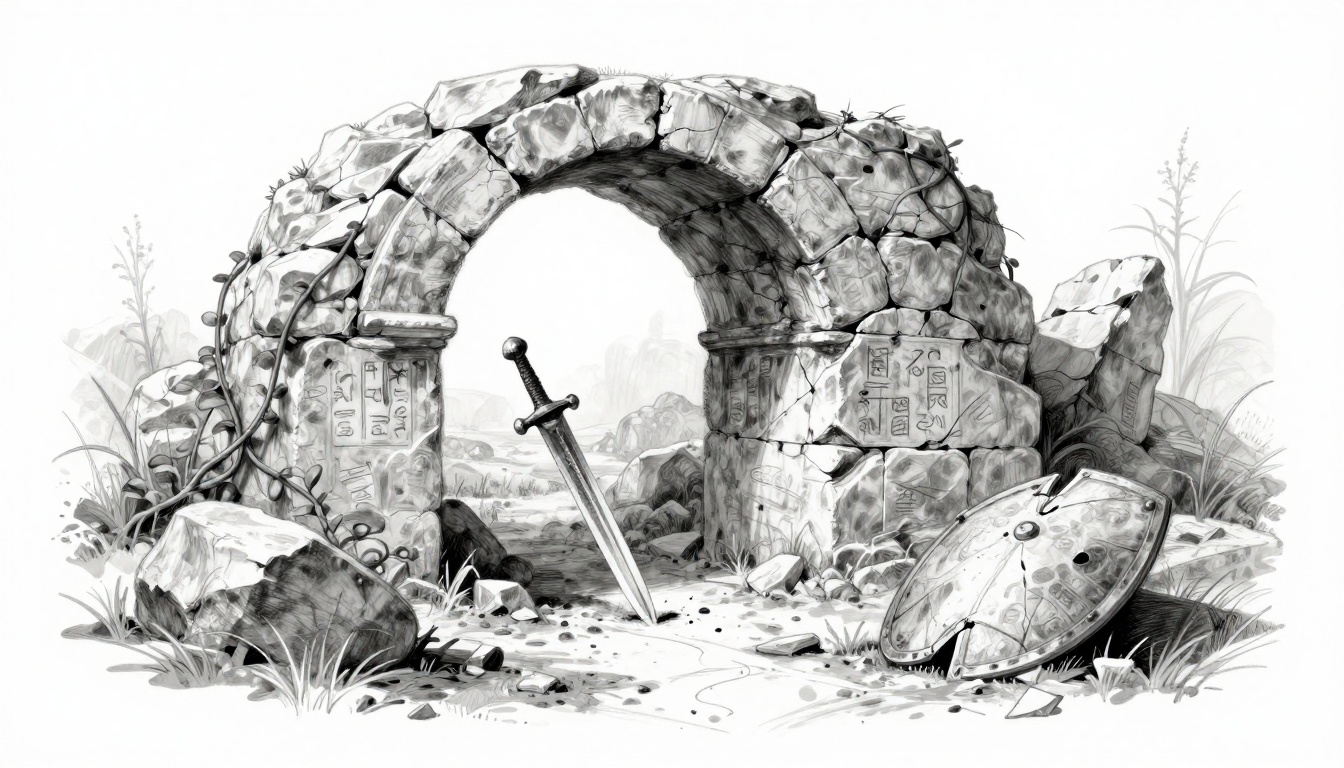
Picture this: you creep through the crumbling ruins of Dark Souls, spot a broken sword lodged in the mud, and notice faint bloodstains replaying a warrior’s final, frantic struggle. No voice-over explains it. The environment whispers the tragedy itself.
That’s environmental storytelling at work. You use scenery, props, and subtle details to reveal backstory and lore without dialogue. Players uncover the world’s secrets on their own terms.
Why does it hit so hard? It builds deeper immersion because your audience feels part of the discovery, not spoon-fed facts. They gain real player agency, piecing clues together like detectives, which boosts engagement. Plus, it dodges info dumps that halt the action and break the mood.
You’ve probably wrestled with clunky exposition in your own projects. Cutscenes drag; dialogue walls bore. Environmental storytelling fixes that by weaving lore into the playable moment, so players absorb it naturally while exploring.
In this post, we’ll break it down step by step. First, the basics of what makes it tick. Then, proven techniques to layer your scenes. After that, standout examples from games like The Last of Us and Hollow Knight. Next, a simple process to add it to your game. Finally, pitfalls to sidestep so you don’t frustrate your players.
Ready to make your worlds speak volumes? Let’s dive into the core principles right now.
The Magic Behind Environmental Storytelling and Why It Captivates Players
Environmental storytelling lets players piece together lore from visual clues alone. You scatter broken weapons, faded graffiti, or abandoned camps. Players connect the dots themselves. No narrator spells it out.
Dialogue often feels forced. Characters monologue about history, and momentum stalls. Players zone out. In contrast, environmental clues invite exploration. They pull you in because humans crave puzzles. Your brain lights up when solving them. This builds emotional ties to the world. You care more about the lore.
Think back to early games like Myst. Players wandered islands, examined notes and machines. They inferred the story from ruins. Today, titles like Hollow Knight use it masterfully. Bugs leave trails of decay that hint at ancient falls.
It shines in games most. Films use similar tricks, like props in Blade Runner revealing dystopia. Books with illustrations, such as graphic novels, benefit too. You read a room after a party. Empty glasses and scattered chairs tell the tale of fun gone late. That’s the power here.
This approach boosts retention. Players remember details longer. It fits seamless play. Later, you’ll see techniques to layer these clues effectively.
How It Sparks Curiosity Without Spoon-Feeding Info
Player-driven discovery beats passive listening every time. You hunt clues at your pace. No cutscene forces facts down your throat.
Science backs this. Active learning sticks better than lectures. Studies show engagement boosts memory by 50 percent or more. Your brain forms stronger links when you assemble the puzzle.
Consider everyday life. You enter a kitchen with dirty dishes piled high and an open fridge light on. Someone forgot dinner. You picture the rush, no words needed. Games do the same with lore.
This method adds depth. A single bloodied doll isn’t just scenery. It sparks questions: Who lost it? What tragedy struck? Players invent backstories, enriching your world. They invest emotionally. Curiosity drives them forward, hungry for more secrets.
5 Proven Techniques to Weave Lore Into Your Environments
You can transform static scenes into living history with these hands-on methods. Each one builds on subtle details players notice as they explore. Start small, test in your level editor, and watch lore emerge naturally. Follow the steps below for each technique, and add your twists for unique results.
Scatter Personal Items That Hint at Forgotten Lives
Personal objects ground your world in human stories. A child’s toy in the corner suggests loss. Place them where players pause naturally, like near doorways or paths.
Here’s how to do it right:
- Pick everyday items with backstory potential. Grab diaries for inner thoughts, faded photos for lost bonds, or worn toys for innocence shattered.
- Position for impact. Drop a half-burned letter by a cold hearth; it screams sudden tragedy. Tuck a family portrait under rubble to imply collapse.
- Layer details subtly. Smear ink on diary pages for haste. Crack a toy’s eye to show rough handling.
Keep it understated. Players spot overly neat arrangements and roll their eyes. Scatter items unevenly, so some hide in shadows. Test by walking through: Does it spark “What happened here?” without screaming the answer? This pulls players deeper because they feel smart uncovering the hints.
Shape Landscapes and Ruins to Echo Past Events
Big-scale changes make history feel real and vast. Overgrown vines choke a city street, hinting at long abandonment. Scars from battles, like charred walls, mark turning points.
Build epic vibes with these steps:
- Map the event’s footprint. Carve craters for explosions or topple towers for sieges.
- Use scale to awe. Make ruins dwarf the player; a massive broken statue looms, whispering ancient power.
- Balance clutter and open space. Dense debris guides eyes to key spots, like a lone flagpole amid rubble.
Density matters. Too much chaos overwhelms; too little bores. Cluster scars near paths, then open up for reflection. Players scan horizons and piece together cataclysms. Adjust heights in your tools for drama; low players feel small against giants. Results? Lore sticks because the land itself bears witness.
Layer Symbols and Markings for Hidden Meanings
Symbols add mystery without words. Faded graffiti warns of doom. Religious icons in corners build cults or faiths.
Repeat motifs to strengthen themes, yet leave room for guesses. Try this approach:
- Choose versatile marks. Graffiti for rebellion, icons for devotion, banners for fallen heroes.
- Vary wear and placement. Fresh paint near old fades shows ongoing strife.
- Echo across levels. A rune on a wall reappears cracked on a corpse; themes compound.
Let players interpret. One sees hope in a rising sun icon; another, blood rituals. Avoid spelling it out with arrows. Scatter 3-5 per area, mismatched scales for depth. This freedom hooks explorers because their theories make the lore personal. Track player forums later; you’ll see wild, fun takes.
Use Lighting and Decay to Set Emotional Tone
Light paints feelings on decay. Dust motes dance in sunbeams, evoking lonely abandonment. Harsh shadows hide secrets in corners.
Master mood with color basics:
- Pick decay stages. Fresh rot glows warm for recent pain; gray dust chills for ages past.
- Direct light sources. Shafts through cracks spotlight clues, like a glinting ring.
- Apply color shifts. Cool blues for despair; muted oranges for fading glory.
Don’t flood scenes. One strong light per room suffices; extras muddle focus. Pair with props, so decay on a throne feels regal yet broken. Players sense tone instantly, emotions tying to lore. Tweak in-engine previews at dawn and dusk for balance. Subtlety wins; overkill turns art into cartoon.
Position NPCs and Props for Silent Interactions
Props and figures imply bonds wordlessly. A body slumped over a table with two chairs suggests interrupted meals. Camps with cold fires hint at hurried flights.
Craft relationships ethically:
- Pose for narrative. Arms outstretched reach for a dropped tool; love or desperation shows.
- Group meaningfully. Lovers entwined in death, or scouts with shared gear.
- Add interactive hints. Lootable packs reveal maps, deepening ties.
Handle death poses with care; avoid gore shocks that distract from story. Focus on dignity or irony. Space groups to invite circling views. Players empathize, inventing dialogues in their heads. Note cultural sensitivities in diverse teams. This method forges connections fast, turning strangers into remembered souls. Test dwell times; longer lingers mean success.
Game-Changing Examples from Games That Master Silent Lore
Games prove environmental storytelling packs a punch. You wander, spot clues, and suddenly grasp a world’s dark heart. No words needed. Bioshock and Bloodborne nail this. They use relics, architecture, and traces to build dread. Let’s break down how they do it. You’ll see lessons to steal for your own designs.
Bioshock: Little Sisters and Big Daddy Relics
Bioshock drops you into Rapture’s underwater ruin. Corpses clutch empty ADAM syringes. Glowing slug stains mark walls where Little Sisters harvested. Big Daddy helmets lie cracked, drill arms rusted nearby. These props scream a mad science gone wrong.
Plasmids litter the floors, vials shattered with electric residue. You pick one up; it hums with power. Traces of genetic tweaks coat everything, from spliced fish in tanks to warped human remains. Players infer the dystopia fast. Society chased godhood through ADAM, but addiction tore it apart.
Audio logs count as environmental too. They sit on tables, dusty and forgotten. You grab one; a voice spills secrets mid-fight. No cutscene interrupts. This setup works because clues layer naturally. A syringe near a child’s drawing hints at innocence lost. Players connect dots: protectors turned monsters, harvesters became prey.
Takeaway? Place interactive relics where action peaks. They reward curiosity. In your game, scatter drug-like props amid decay. Show the fall through addiction’s mess.
Bloodborne: The Healing Church’s Fallen Glory
Bloodborne’s Healing Church hides in towering cathedrals. You climb to the Choir, a vast dome with starry ceilings and fleshy growths. Altars hold blood vials, stained red. Beast claws scratch pews; transformed priests slump in robes.
Architecture tells the fall. Arches crack under impossible weight. Windows depict angels, yet floors ooze black ichor. Item descriptions seal it when you loot: a hymnbook mentions “old blood” cures that birthed horrors. No lectures. Design alone shows hubris.
Beast clues pepper the scene. Fur clings to candelabras. Partial skeletons mix human and animal bones. Players piece it: the Church sought miracles, but blood mutated followers into snarling packs. The Choir’s ethereal glow contrasts gore below, heightening tragedy.
It grips because scale overwhelms. You feel tiny amid ruins. For your levels, echo this with evolving decay. Start pristine, add beast marks deeper in. Players chase the why, hooked on silent reveals.
Build Your Own Lore-Rich World: A Creator’s Step-by-Step Guide
Now you know the techniques and examples. Time to apply them. This roadmap turns ideas into playable lore. Beginners start simple; pros scale up. Follow these four steps, and your environments will whisper deep stories.
Map Your Core Lore Beats First
Start with the big picture. List key events in your world’s history. A fallen empire? Note the rise, betrayal, and collapse.
Break it down. Write 5-10 beats on paper or in a doc. For example, “Village thrives, plague hits, survivors flee.” Assign each to levels or zones. This keeps lore focused. You avoid random clutter later.
Why map first? It guides clue placement. Players hit beats in order, building the narrative. Use tools like Trello boards for visuals. Pin events with sketches. Pros add timelines; newbies stick to bullets.
Brainstorm Clues for Every Beat
Match clues to beats. For the plague, scatter rat bones and quarantine marks. Brainstorm 10 ideas per beat, then pick three strong ones.
Mix scales. Small props like tainted wells pair with big ruins like boarded homes. Ask: Does it spark questions? Test mentally: Walk the scene in your head.
In Unity, tag assets early. Create folders for “plague props.” Import free packs from the Asset Store, like debris or foliage. Tweak textures for your style. This speeds iteration. Also, note player paths; clues shine along them.
Prototype Fast and Gather Feedback
Build a rough level. Drop clues in Unity or Godot. Playtest yourself first. Time how long lore clicks.
Share with friends or itch.io testers. Ask: “What happened here?” Note confusions. Tools like Unity’s Playmode record sessions. Review heatmaps for overlooked spots.
Fix gaps quick. If a beat confuses, add one bold clue. Pros use surveys; beginners chat Discord. Aim for 80% understanding without hints. This step polishes raw ideas.
Iterate Until Flow Feels Natural
Refine based on tests. Cut weak clues; amp strong ones. Walk levels again. Does lore unfold smoothly?
Balance density. Early beats light, later heavy for payoff. In Unity, use occlusion culling to hide spoilers. Preview lighting at runtime.
Check player speed. Clues too dense slow pace; too sparse bore. Loop tests twice. Pros A/B variants; you compare versions side-by-side.
Here’s a quick checklist before final polish:
- Lore beats mapped? All events tied to zones.
- Clues varied? Props, ruins, symbols cover each beat.
- Tested flow? Players grasp 80% without words.
- Tools optimized? Unity tags, prefabs ready.
- Pacing right? Secrets reward exploration, not stall it.
Follow this, and your world lives. Players uncover lore naturally, just like in those pro games. Your turn to build.
Common Traps That Ruin Environmental Storytelling (and Fixes)
You craft clever clues, but players shrug and move on. Common mistakes turn rich lore into missed chances or eye-rolls. These traps pop up often because subtlety feels tricky. Spot them, and apply quick fixes. You’ll keep players hooked without frustration. Here are the top four, plus real tweaks to beat them.
Clues Too Subtle: Players Miss the Lore Entirely
Hide hints too well, and your story vanishes. Players rush past faint scratches or tucked notes. They feel no spark, so immersion fades fast. No one connects dots that aren’t there.
Fix it by boosting visibility without spoiling. Place one bold clue per subtle cluster. For example, pair a dim rune with a glowing lantern nearby. In your plague village from earlier steps, add rat bones right on the path, not just in corners. Test by asking testers: “What do you see?” Adjust shine or size until 80 percent notice. Now, lore lands without effort.
Clues Too Obvious: Discovery Loses Its Fun
Scream answers with neon arrows or piled props. Players spot the “tragedy” setup from afar and groan. It kills the detective thrill; they feel spoon-fed again.
Dial it back for mystery. Use indirect hints that suggest, don’t shout. Take that family portrait under rubble. Smudge it with dirt and tilt it oddly, so it blends first. Remove any spotlight. In Bloodborne style, scatter beast fur loosely, not in neat piles. Players puzzle it out, and satisfaction surges. Reward their smarts every time.
Inconsistent Clues: Lore Feels Random or Fake
Mix fresh blood with ancient dust in one room. Or plague marks vanish mid-level. Players sense fakeness, so trust breaks. Your world stops feeling lived-in.
Unify with a timeline. Assign decay levels to events: new fights show red stains, old ones gray ash. Map beats first, as in the guide. For Rapture relics, keep ADAM vials cracked but vials near consistent. Check every prop against your list. Consistency builds belief, so players buy the whole tale.
Too Many Clues: Overload Buries the Story
Cram every corner with symbols and bodies. Players drown in details and tune out. Key lore blends into noise; exploration turns into chore.
Thin it out ruthlessly. Limit to three clues per beat, spaced along paths. Cluster loosely, leave empty spots for breath. In your prototype, cut half the props. Walk it: Does the main fall still shine? Yes? Perfect. Space lets big moments pop.
Nail this balance, and fans rave about your “living world.” They share theories online, hooked for hours. Your lore sticks because it respects their time and wits.
Conclusion
You now hold the tools to make environments tell rich lore. Scatter personal items and shape ruins with the five techniques. Draw from Bioshock’s relics and Bloodborne’s cathedrals. Then follow the steps: map beats, brainstorm clues, prototype, and iterate.
These methods boost immersion most. Players piece stories together, so they own the discovery. No dialogue stalls the fun. Your worlds gain depth because fans connect emotionally.
Pick one technique today. Try scattering items in your next level. Share your results in the comments below; let’s see what tales you uncover.
VR takes this further. Imagine stepping into those ruins yourself, clues at arm’s reach. Silent epics await, where every corner whispers history.
Build worlds players never forget. Sign up for my newsletter for more game design tips. Check my post on player agency next. Your lore starts speaking now.